Description
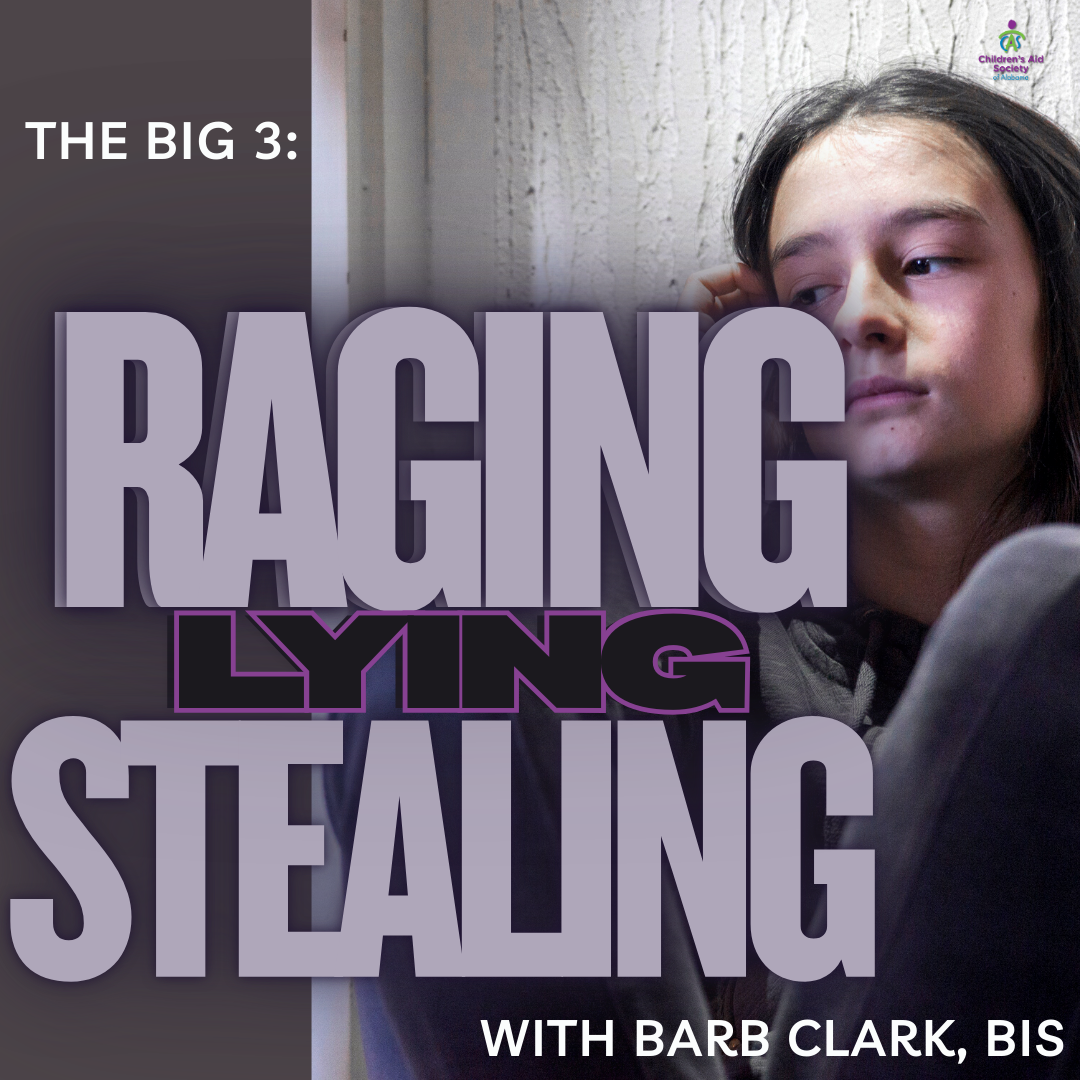
Children and adolescents with trauma histories often have unique brain wiring and may function at a wide range of developmental levels. Traditional behavior strategies—especially those based on consequences or rewards—are often ineffective and can unintentionally increase stress and strain relationships. This session introduces trauma-informed, brain-based approaches to better understand and support children impacted by early adversity, including in-utero trauma such as Fetal Alcohol Spectrum Disorders (FASD). Participants will explore the “why” behind difficult behaviors like raging, lying, and stealing—and gain practical, compassionate tools to respond more effectively. The goal: shift from chaos to connection, and build stronger, safer relationships with the children in your care.
Learning Objectives:
Identify how trauma, neurodiversity, and brain-based conditions impact emotional regulation and behavior.
Reframe behaviors such as lying and stealing through a brain-based, trauma-informed lens.
Explain the concept of confabulation and apply compassionate strategies for responding to perceived dishonesty.
Describe how relational, connected responses can reduce anxiety and support behavioral change.
Apply practical, real-life strategies that move beyond traditional behavior management and emphasize safety, co-regulation, and trust.