Description
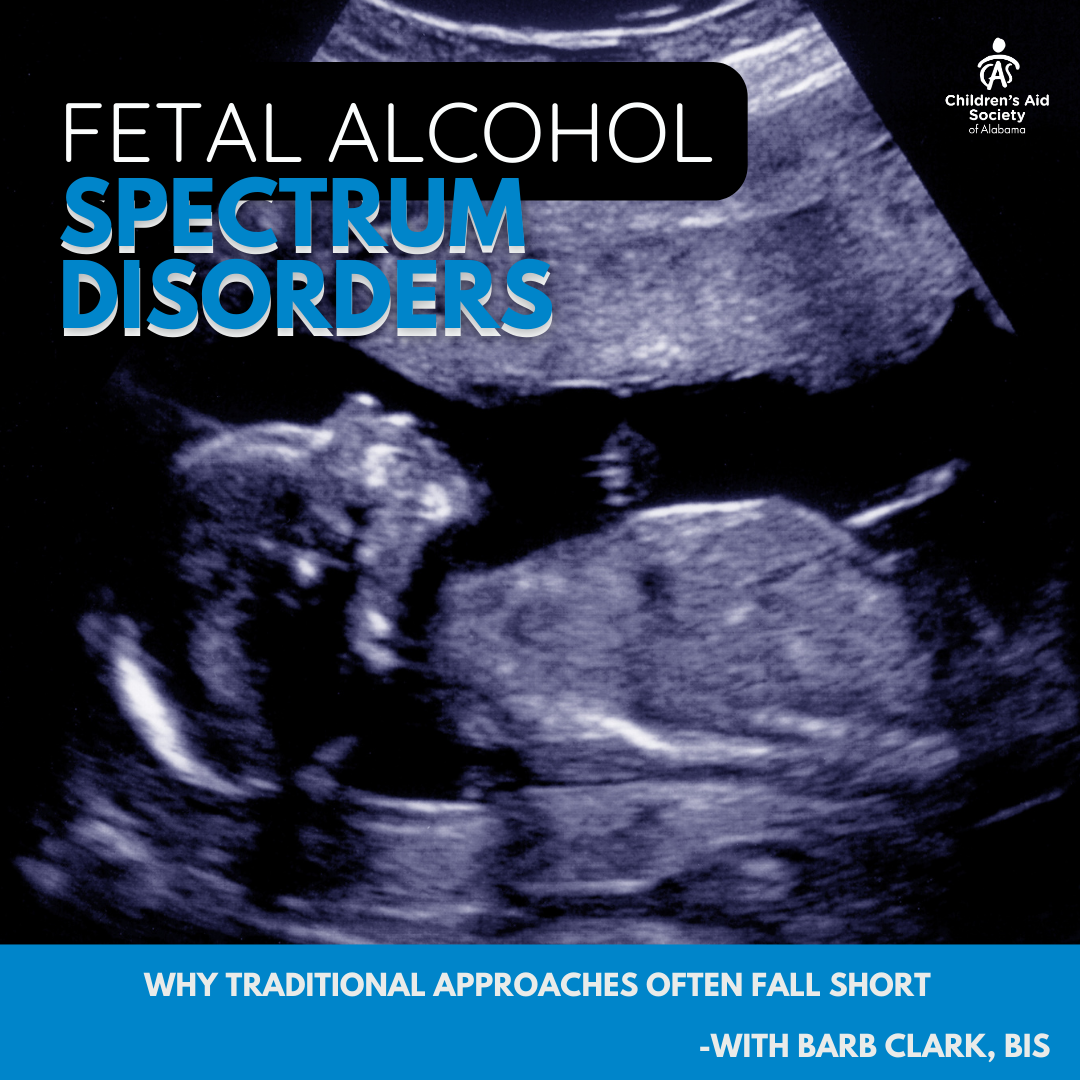
Prenatal exposure to alcohol, drugs, and high levels of stress can significantly alter brain development, leaving lasting impacts across the lifespan. Fetal Alcohol Spectrum Disorders (FASD), which are more common than autism, often remain overlooked, misdiagnosed, or misunderstood. Individuals with FASD live with invisible brain injuries that affect memory, impulse control, emotional regulation, and learning. As a result, traditional behavioral, educational, and therapeutic strategies often fail to meet their needs and can unintentionally cause more harm than good.
Learning Objectives:
1.Define Fetal Alcohol Spectrum Disorders (FASD) and describe how prenatal exposure to alcohol impacts brain development.
2. Explain how trauma and FASD intersect and contribute to neurobehavioral challenges such as poor impulse control, memory issues, and emotional dysregulation.
3. Differentiate between willful behavior and brain-based behavior, shifting from a “won’t” to a “can’t” mindset.
4. Identify common misdiagnoses and misunderstandings of individuals with FASD and their impact on treatment and support.
5. Apply a trauma-informed, neurobehavioral lens to real-life situations, using practical tools to better support individuals with FASD in home, school, and community settings.